Library

A magical place for reading and discovery

Our library is the heart of learning at Windlesham House, a warm and welcoming space where pupils discover the joy of reading, develop research skills and explore new worlds through books. We believe that a love of reading is fundamental to academic success and lifelong learning.

What does our library offer?

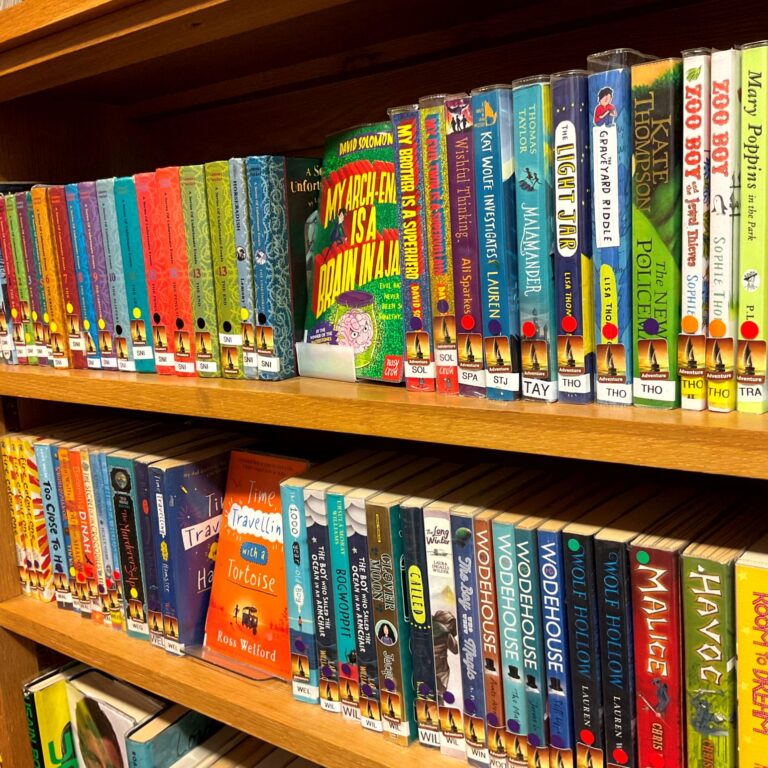
The Windlesham House library is a bright, inviting space stocked with thousands of carefully selected books catering for all ages, interests and reading abilities. From picture books for our youngest readers to challenging fiction and non-fiction for our older pupils, we have something for everyone.

Book collection

Our diverse collection includes:

  • Fiction
    Classic and contemporary novels, adventure stories, fantasy, mystery, historical fiction, humor and more
  • Non-fiction
    Reference books, biographies, science, history, geography, art, sport, nature and hobbies
  • Picture books
    Beautiful illustrated books for younger readers and for reading aloud
  • Poetry and plays
    Collections from established poets and dramatists
  • Graphic novels
    Engaging visual storytelling that appeals to reluctant readers
  • Periodicals
    Magazines and newspapers appropriate for children
  • Reference materials
    Encyclopedias, atlases, dictionaries and research resources

We regularly update our collection, purchasing new releases and responding to pupil requests. Staff recommendations and book reviews help guide purchasing decisions, ensuring our library reflects current interests and curriculum needs.

Reading spaces

The library provides different areas for different purposes:

  • Quiet reading areas
    Comfortable chairs and bean bags where pupils can lose themselves in a good book
  • Research tables
    Spaces for individual or group research projects with access to books and digital resources
  • Story corner
    A cozy area for read-alouds and younger pupils
  • Display areas
    Showcasing new books, themed collections and pupil recommendations

Digital resources

Alongside our physical collection, pupils have access to digital resources including

  • Online encyclopedias and research databases
  • Reading tracking and recommendation platforms
  • Educational websites and resources

How do we promote reading for pleasure?

Reading for pleasure is proven to improve not just literacy but also general knowledge, vocabulary, empathy and wellbeing. We actively promote reading across the school through various initiatives.

Regular library time

All pupils have scheduled library time each week to browse, borrow books and read. These sessions are relaxed and enjoyable, allowing children to explore freely and develop their reading preferences.

Reading challenges and incentives

We run reading challenges throughout the year, encouraging pupils to try different genres, authors, and types of books. Achievements are celebrated with certificates, prizes, and recognition in assemblies.

Book Week and author visits

Our annual Literary Week and World Book Day includes author visits, talks, workshops, book character dress-up days, storytelling sessions. These events generate excitement about reading and bring books to life.

We regularly host visiting authors who share their writing process, read from their books and inspire pupils to become writers themselves. These encounters make a lasting impression on young readers.

Recommended reads and book clubs

Staff and pupils share book recommendations through displays, newsletters, and assemblies. Book clubs for different age groups provide opportunities to discuss books, share opinions, and discover new favorites.

Reading buddies

Older pupils read with younger children, modeling good reading habits and fostering a love of stories. This cross-age mentoring benefits both buddy readers and listeners.

How does the library support learning?

Research skills

Pupils learn how to

  • Use library cataloging systems to find books
  • Conduct effective research using print and digital sources
  • Evaluate information for reliability and relevance
  • Reference sources correctly in their work
  • Synthesize information from multiple sources

These skills are taught progressively through library lessons and integrated into subject teaching, preparing pupils for senior school and beyond.

Curriculum support

The library supports all curriculum subjects by

  • Providing topic-related books for classroom projects
  • Creating themed displays linked to what pupils are studying
  • Offering research support for extended projects
  • Recommending age-appropriate books on specific subjects

Independent learning

The library is a space where pupils can work independently or in small groups on projects, homework and personal interests. This develops self-directed learning skills and research independence.

What about pupils who struggle with reading?

We understand that not all children find reading easy or enjoyable initially. Our library caters for all abilities and interests

High-interest, low-reading-age books
Engaging stories with age-appropriate content but simpler vocabulary and sentence structures

Graphic novels and illustrated books
Visual storytelling that appeals to reluctant readers

Non-fiction on special interests
Many reluctant readers engage more with factual books about topics they are passionate about

Short books and magazines
Less daunting for struggling readers

Library staff work with learning enrichment teachers to recommend appropriate books and support struggling readers in finding books they will enjoy.

How many books can pupils borrow?

Pupils can typically borrow one or two books at a time depending on their age, for up to two weeks. Books can be renewed if needed. We encourage regular borrowing and reading both at school and at home.

Can parents help choose books?

Absolutely. We welcome parental involvement in children’s reading. Parents can visit the library during school tours, make suggestions for book purchases and discuss their child’s reading with staff. We send reading recommendations home and encourage families to read together.

What if my child loses a library book?

We ask that lost or damaged books be paid for so we can replace them. However, we understand accidents happen and handle these situations sensitively. The important thing is that children feel comfortable using the library and are not afraid to borrow books.

How do you choose which books to buy?

Book selection considers curriculum needs, pupil interests and requests, staff recommendations, award-winning titles, diverse representation and reviews from trusted sources. We aim for a balanced collection reflecting different genres, perspectives and reading levels. Pupils often request specific books which we try to accommodate.

“The library is my favorite place at school. I love finding new books to read and the librarians always know exactly what I will enjoy. I have discovered so many amazing stories here.” Year 6 pupil