Community

Giving back and connecting beyond our school gates

At Windlesham House, we believe education extends beyond academics and personal achievement to encompass social responsibility, empathy, and active citizenship. Our community programme teaches pupils to think of others, contribute positively to society and understand their place in the wider world.

How do we teach social responsibility?

PSHE curriculum

Our Personal, Social, Health and Economic Education (PSHE) curriculum includes explicit teaching about

  • Citizenship and democracy
  • Rights and responsibilities
  • Community and belonging
  • Diversity and equality
  • Environmental responsibility
  • Global awareness and international development
  • Charity and volunteering

These lessons help pupils understand how their actions affect others and develop empathy for people in different circumstances.

British values

We actively promote fundamental British values

  • Democracy
    Through school council, house systems, voting on decisions
  • Rule of law
    Clear expectations, fair consequences, understanding of law in society
  • Individual liberty
    Freedom of expression, choices within boundaries, personal responsibility
  • Mutual respect
    Valuing differences, kind treatment of all, speaking respectfully
  • Tolerance
    Understanding different beliefs, cultures, and lifestyles

These values permeate school life through assemblies, PSHE lessons, house activities, and daily interactions.

What charity work do pupils undertake?

School charities

Each year, pupils nominate and vote on charities to support. Recent beneficiaries have included

  • RNLI (Royal National Lifeboat Institution) – to whom pupils donated £1,900
  • Local hospices and medical charities
  • Children’s charities both UK and international
  • Environmental and conservation organizations
  • Animal welfare charities

Pupils organize fundraising events including:

  • Sponsored events
  • Charity days (non-uniform days, cake sales, raffles)
  • Talent shows and concerts with ticket proceeds to charity
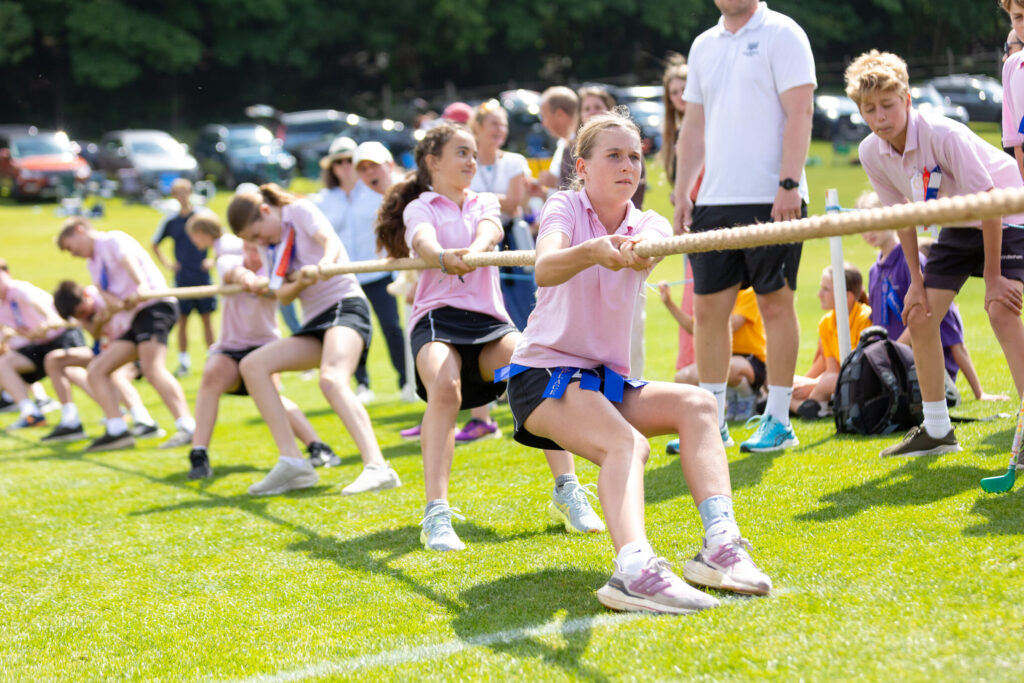
  • Charity sports matches
  • House charity competitions

Importantly, pupils learn about the charities they support, understanding the causes and how their fundraising makes a difference.

Years 7 and 8 Diploma charity projects

As part of the diploma programme, Years 7 and 8 pupils undertake charity projects. Recent examples include

  • Organizing charity events
  • Creating awareness campaigns
  • Fundraising initiatives
  • Volunteer work in the local community

These projects develop organizational skills, empathy, and understanding of social issues while making genuine contributions to worthy causes.

What community links do we have?

Lorica Trust

Windlesham House has a longstanding partnership with Lorica Trust, a local charity based at East Clayton Farm in Storrington. This charity supports disadvantaged and vulnerable young people in West Sussex through farm-based activities that build confidence and self-esteem.

Our involvement includes

  • Pupil visits to the farm to learn about animal care
  • Practical volunteering support
  • Financial support through fundraising
  • Raising awareness of the charity’s important work

This partnership allows our pupils to see firsthand how charities help people and to contribute meaningfully to their local community.

Local community connections

We maintain connections with our local community through

  • Welcome of local residents to school events and performances
  • Use of school facilities by community groups
  • Participation in local festivals and events
  • Supporting local businesses and suppliers
  • Environmental stewardship of our South Downs location

What about environmental responsibility?

Eco-Schools programme

We are working towards Eco-Schools accreditation. Our Eco Committee, made up of pupil volunteers, leads environmental initiatives including

  • Recycling programmes
  • Energy-saving campaigns
  • Water conservation
  • Wildlife habitat creation
  • Composting and waste reduction

Pupils learn about environmental challenges and take practical action to reduce the school’s ecological footprint.

Forest school and outdoor learning

Our Forest school programme connects pupils with nature and teaches environmental stewardship. Activities include

  • Wildlife observation and conservation
  • Sustainable woodland management
  • Growing and harvesting food
  • Understanding ecosystems
  • Leave no trace outdoor ethics

Sustainable practices

The school models sustainable practices through

  • Water butts and compost bins
  • School garden and productive areas
  • Renewable energy considerations
  • Reduction of single-use plastics
  • Sustainable procurement where possible

These practical examples teach pupils that environmental responsibility is everyone’s duty.

How do pupils contribute to the school community?

Pupil leadership

Pupil leadership

Leadership opportunities within school teach community contribution

School council
Elected representatives who voice pupil opinions and contribute to school decisions

House captains
Lead their houses and organize house activities

Sports captains
Lead teams and promote sportsmanship

Prefects
Support younger pupils and help with school routines

Eco committee
Lead environmental initiatives

Digital leaders
Support technology use and online safety

These roles teach that leadership means service to others.

Peer support

Peer support

Older pupils support younger ones through

  • Buddy systems for new pupils
  • Reading partners
  • Playground befrienders
  • Homework helpers
  • House mentoring

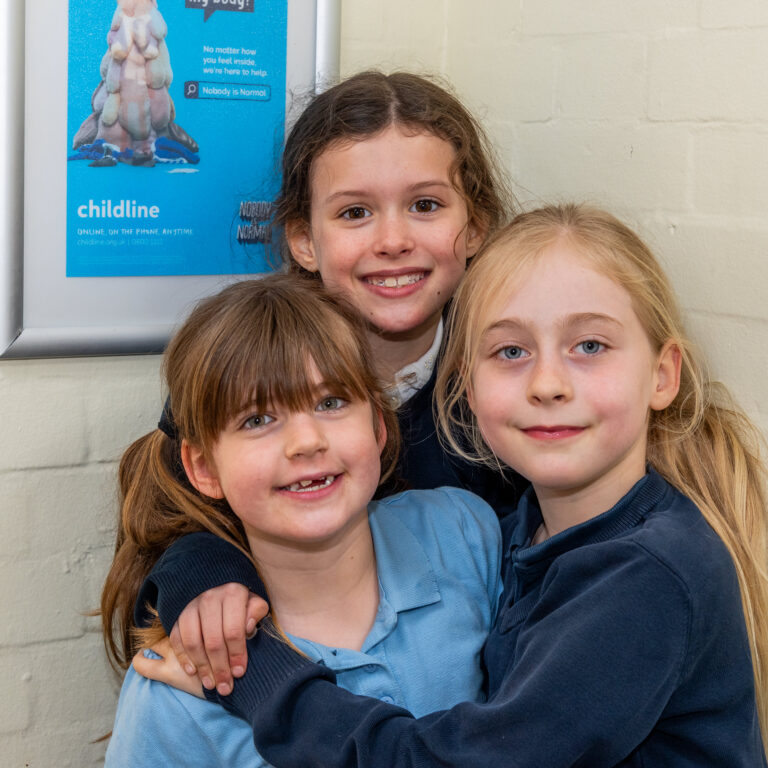
This cross-age support builds empathy and reinforces the caring community ethos.

Kindness and courtesy

Kindness and courtesy

Simple daily actions contribute to community

  • Holding doors for others
  • Helping carry things
  • Including others in games
  • Offering comfort when someone is upset
  • Tidying communal spaces
  • Thanking catering, maintenance, and other staff

We recognize and reward these acts through our house points system and in assemblies, reinforcing that kindness builds community.

How can parents get involved in community activities?

We welcome parental involvement in community initiatives. Parents can volunteer to help with charity events, support Eco Committee activities, share professional expertise with pupils, or suggest community partnerships. The Friends of Windlesham group also organizes community building events for families.

Do pupils learn about different cultures and religions?

Yes, celebrating diversity is central to our community. We have pupils from many countries and cultural backgrounds. Through PSHE, Religious Studies, assemblies, and social interaction, pupils learn about different cultures, religions and perspectives. We celebrate festivals from various traditions and teach respect for all beliefs.

How do you handle community conflicts?

We teach conflict resolution skills through PSHE and model respectful communication. When conflicts arise, we help pupils understand different perspectives, express feelings appropriately, apologize when necessary and find solutions. Our restorative approach focuses on repairing relationships and learning from mistakes rather than just punishment.

What about pupils with special educational needs in the community?

Inclusion is fundamental to our community values. Pupils with additional needs are full community members, participating in all activities with appropriate support and adaptations. We teach all pupils to be understanding, patient and supportive of peers who learn differently, building a truly inclusive community.

Community spirit

The warmth and kindness of our community is frequently remarked upon by visitors and parents. This culture does not happen by accident but through intentional teaching, modeling and recognition of community-minded behavior at all levels of school life.

Community links

If you know of community partnerships that might benefit our pupils or have expertise to share, please contact the school office at whsoffice@windlesham.com. We are always open to new community connections that enrich our pupils’ understanding of the wider world.
“What I love about Windlesham House is how kind everyone is. We learn that we should help others and think about people who have less than us. The charity work we do makes me feel proud and grateful for what I have.” Year 6 pupil