Wellbeing

Supporting every child to thrive

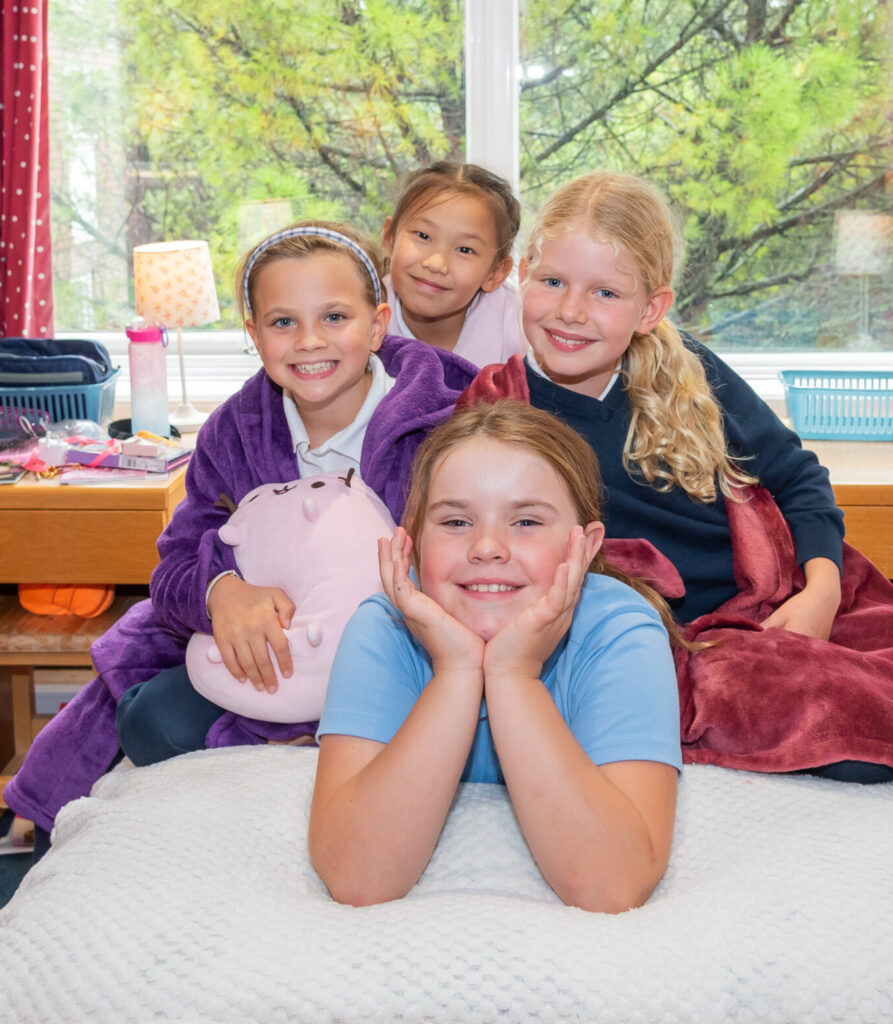
At Windlesham House, wellbeing is not an add-on but a fundamental part of everything we do. We understand that happy, confident children learn best. Our comprehensive wellbeing support ensures every pupil feels valued, safe and supported throughout their time with us.
What is our approach to pupil wellbeing?

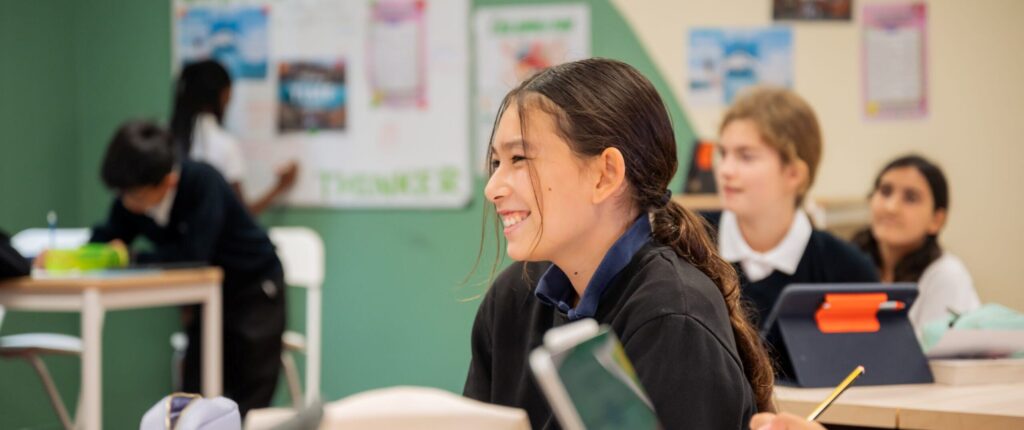
We take a holistic approach to wellbeing, recognizing that children’s physical, emotional, social, and mental health are interconnected. Our wellbeing programme is woven throughout school life, from the curriculum to co-curricular activities and boarding routines to relationships with staff.

Our approach is proactive rather than reactive. We do not wait for problems to emerge but actively build resilience, emotional literacy and positive mental health in all pupils. This foundation helps children navigate challenges confidently and develop into well rounded young people.

What support is available for pupils?

Pastoral care structure

Every pupil belongs to a form group with a dedicated form tutor who knows them well. Form tutors are the first point of contact for pastoral matters and monitor academic progress, social relationships, and overall wellbeing. They meet regularly with their form groups and are available for individual conversations when needed.

Lex Bolton, our designated safeguarding lead, oversees the pastoral care of all pupils. She works closely with phase leaders, form tutors, boarding staff and the wellbeing team to ensure every child receives appropriate support.

Wellbeing team

Our wellbeing team includes qualified counsellors and mental health specialists who provide professional support for pupils facing emotional or psychological challenges. Sessions are confidential (within safeguarding parameters) and can be arranged through form tutors or the pastoral team.

Support is available for a wide range of issues including

  • Anxiety and worry
  • Low mood or sadness
  • Friendship difficulties
  • Family changes or bereavement
  • Academic stress
  • Self-esteem and confidence
  • Adjustment to boarding or new school

Peer support

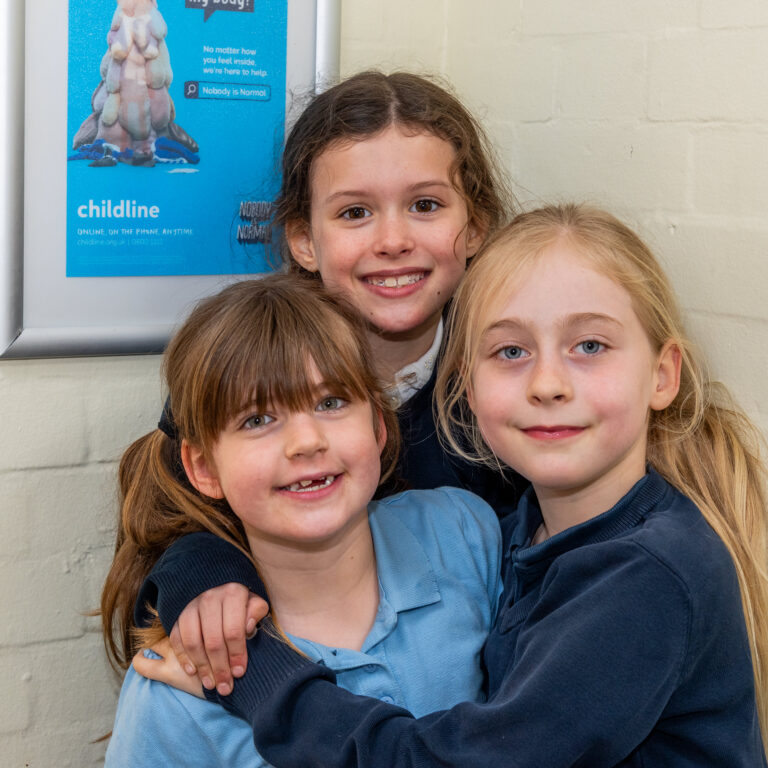
Older pupils are trained as peer mentors, providing friendly support to younger children. This buddy system helps new pupils settle in and creates a culture of kindness and mutual support throughout the school.

How do we promote positive mental health?

PSHE curriculum

PSHE curriculum

Our personal, social, health, and economic education (PSHE) curriculum includes dedicated mental health and wellbeing lessons. Pupils learn about emotions, relationships, resilience, and strategies for maintaining good mental health. Age-appropriate topics include managing stress, building self-esteem, understanding anxiety and seeking help when needed.

Mindfulness and relaxation

Mindfulness and relaxation

We incorporate mindfulness practices and relaxation techniques into school life. Pupils learn breathing exercises, meditation, and other strategies to manage stress and regulate emotions. These practical tools serve them throughout their school years and beyond.

Physical activity

Physical activity

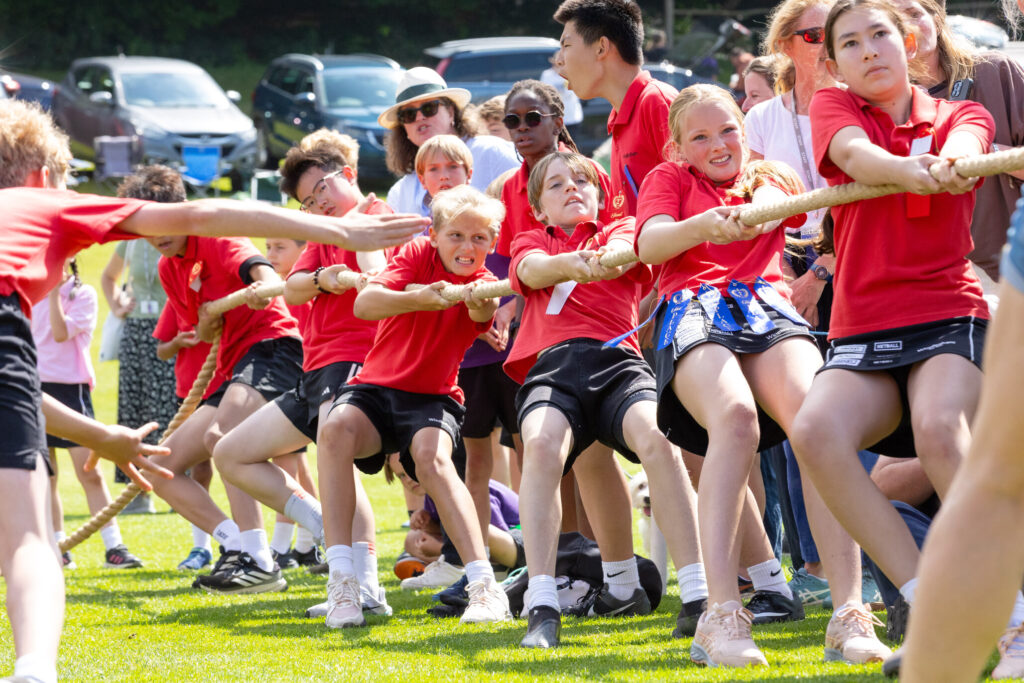
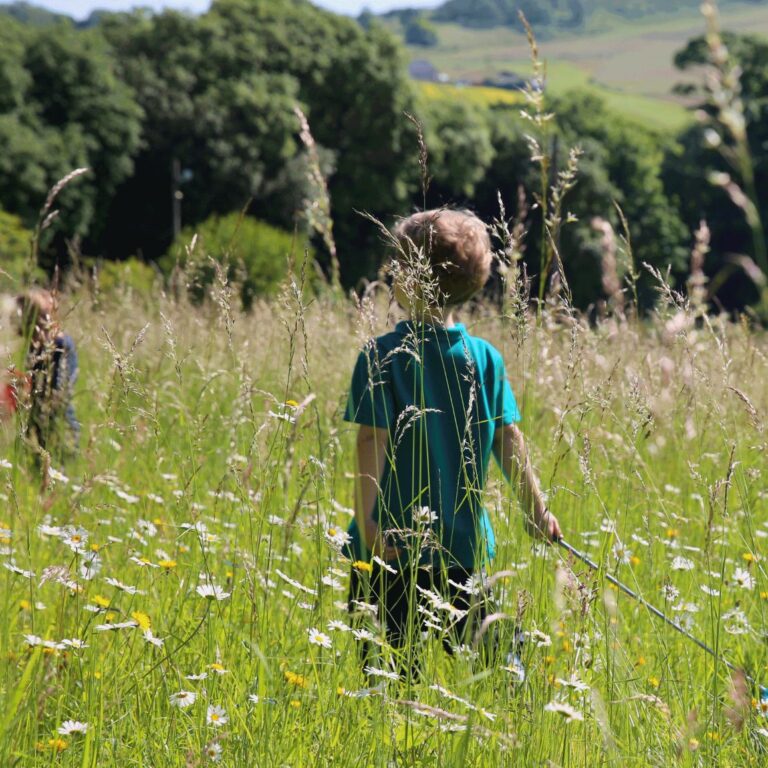
Regular physical activity is essential for mental wellbeing. Our extensive sports programme, outdoor education and forest school activities ensure pupils remain active. Exercise releases endorphins, reduces stress and improves mood, sleep and concentration.

Creative expression

Creative expression

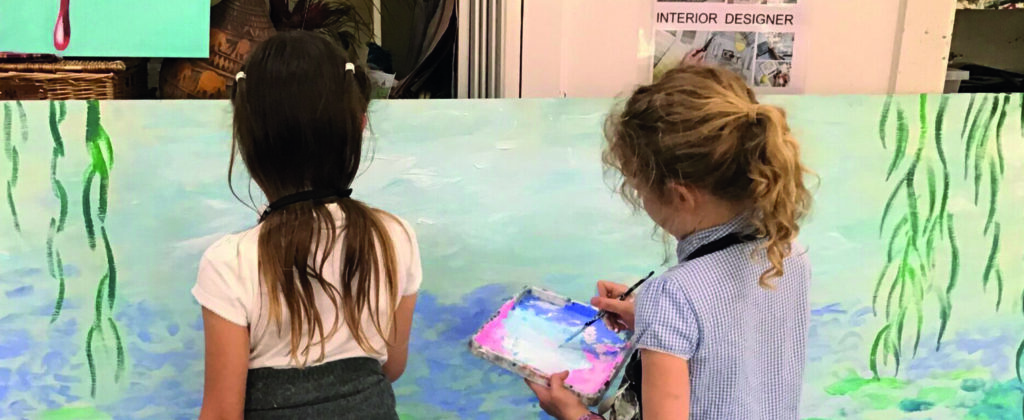
Art, music, drama and other creative activities provide outlets for expression and emotional processing. Many pupils find creative pursuits therapeutic and confidence building.

What about challenging times?

We recognize that childhood is not always easy. Pupils may face academic pressures, social challenges, family difficulties or personal struggles. Our staff are trained to recognize signs that a child may be struggling and respond with empathy and appropriate support.

We work in partnership with parents, keeping them informed and involved in supporting their child. For more complex needs, we can facilitate referrals to external specialists including educational psychologists, Child and Adolescent Mental Health Services (CAMHS), or other professionals.

How do you handle bullying?

We have a zero-tolerance approach to bullying. Our anti-bullying policy emphasizes prevention through education, clear expectations and a positive school culture. Pupils learn about kindness, respect and the impact of their words and actions. Any incidents are dealt with promptly and seriously with support provided to both the target and the perpetrator to address underlying issues.

What if my child is anxious about boarding?

It is natural for children to feel some anxiety about boarding, especially initially. We have extensive experience helping pupils adjust. Our gradual introduction options, buddy system, regular communication with home and compassionate boarding staff all help ease the transition. Most pupils settle quickly and come to love boarding life. We work closely with parents throughout the settling in period.

Can I talk to someone about my child's wellbeing?

Absolutely. We encourage open communication between home and school. Your child’s form tutor is the first point of contact, but you can also speak with boarding staff, Lex Bolton, our designated safeguarding lead, or the Head. We are here to listen, support and work in partnership with you to ensure your child thrives.

Mental health awareness

We are committed to breaking down stigma around mental health. Pupils learn that mental health is just as important as physical health and that seeking help is a sign of strength, not weakness. This culture of openness helps pupils feel comfortable asking for support when they need it.

Contact pastoral team

For any wellbeing concerns or to discuss your child’s pastoral needs, please contact Lex Bolton, designated safeguarding lead, at abolton@windlesham.com or call the school office on 01903 874700.

“What impressed me most about Windlesham House is how well they know each child. The pastoral care is outstanding. My son has flourished here, growing in confidence and happiness.” Windlesham House parent